
Winter can be a beautiful season, but it also brings unique challenges for homeowners. Snow-covered landscapes, frosted windows, and cozy indoor fires create an appealing winter atmosphere, but beneath the beauty, harsh weather conditions can put your home under serious strain. Cold temperatures, ice, heavy snow, and strong winds can damage structures, increase energy costs, and create safety hazards if your home isn’t properly prepared. Many homeowners underestimate the impact of winter weather, only realizing the consequences after problems arise.
Reducing winter wear and tear on your home is not just about preventing damage: it’s about maintaining comfort, safety, and efficiency during the season. Small preventative steps taken before the cold months arrive can save homeowners significant time, money, and stress. From protecting driveways and roofs to insulating pipes and upgrading doors, every element of your home requires attention to withstand the challenges of winter. By being proactive and systematic, you can reduce repair needs, enhance energy efficiency, and ensure your home remains safe and comfortable for your family throughout the season.
This guide provides practical advice for protecting key areas of your home, covering outdoor surfaces, structural elements, water systems, heating, and electrical considerations. Each section includes expert tips, preventive strategies, and guidance for partnering with trusted professionals. Whether you live in an area with moderate snowfall or harsh, icy winters, following these recommendations will help you keep your home resilient and reduce winter-related stress.
Clearing Driveways and Walkways Efficiently
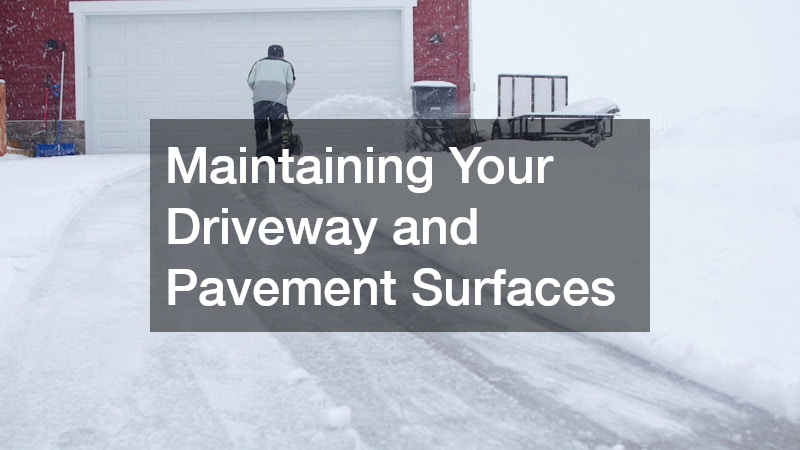
Keeping driveways and walkways clear of snow and ice is one of the most important winter maintenance tasks. Accumulated snow can create slippery conditions that increase the risk of falls and injuries, while ice buildup can damage concrete surfaces over time. Investing in reliable snow plow equipment can make clearing these areas much easier and more efficient. For homeowners with large driveways or long walkways, mechanical equipment reduces manual labor while ensuring surfaces remain safe and functional throughout the season.
It’s not only about removing snow—how and when you remove it matters. Clearing snow promptly prevents it from compacting into ice, which is much harder to remove and more damaging to your surfaces. For those who prefer manual methods, using ergonomic shovels or snow pushers can reduce strain and make snow removal safer. Additionally, alternating between shoveling and applying ice melt or sand helps maintain traction and minimizes the likelihood of slips or surface damage. By using snow plow equipment wisely and staying proactive, homeowners can protect both their property and their own safety during harsh winter conditions.
Maintaining Your Driveway and Pavement Surfaces
Winter weather can be particularly tough on asphalt driveways and paved areas. Freeze-thaw cycles cause cracks, potholes, and surface deterioration, which can worsen over time if not addressed. Working with a reputable asphalt business allows homeowners to schedule preventative maintenance or repairs before the season begins. Sealcoating driveways and filling minor cracks in advance prevents water from seeping into the pavement, which is critical when temperatures drop below freezing.
Beyond preventative maintenance, homeowners should monitor for signs of wear throughout the winter. Heavy snowplows or salt application can sometimes damage asphalt if surfaces aren’t properly protected. Removing accumulated snow carefully, avoiding sharp metal edges, and limiting unnecessary vehicle traffic on fragile areas all help prolong the lifespan of the pavement. Consulting with professionals from an asphalt business ensures repairs are done effectively and safely, helping your driveway survive winter while reducing long-term repair costs.
Preparing for Unexpected Home Plumbing Issues
Winter temperatures can put a severe strain on home plumbing systems. Frozen or burst pipes are common problems that can lead to costly repairs, water damage, and even mold growth. Working with an emergency plumbing service before and during winter can help homeowners identify vulnerable areas and respond quickly if an issue arises. Insulating exposed pipes, keeping a slow trickle of water running in extremely cold conditions, and sealing gaps in walls or floors are practical preventative steps.
Additionally, preparing for emergencies includes understanding your home’s plumbing layout and knowing where the main water shutoff valve is located. Emergency plumbing professionals can also advise on installing frost-free outdoor faucets or upgrading older systems that are prone to freezing. Staying proactive with maintenance, rather than waiting for an emergency, reduces stress and keeps your home safe and functional throughout the cold months. Regular check-ins with a trusted emergency plumbing provider can make a significant difference in preventing water-related disasters during winter.

Upgrading Windows for Better Insulation
Proper insulation is one of the most effective ways to reduce winter wear and tear on your home. Drafty windows allow cold air to enter and warm air to escape, increasing heating costs and putting additional strain on your HVAC system. Window replacement with energy-efficient models, such as double or triple-pane windows, can greatly improve insulation, keeping interiors warmer and reducing overall energy consumption.
Even if full window replacement isn’t feasible, there are still steps homeowners can take to reduce drafts. Applying weather stripping, sealing cracks around window frames, or adding storm windows can prevent cold air and moisture from entering your home. Regular inspection of window frames and sills for signs of rot or damage ensures problems are caught early. By investing in window replacement or upgrades, homeowners enhance comfort, protect structural elements, and increase their home’s energy efficiency—all of which reduce winter wear and tear in the long term.
Securing Large Glass Doors Against Winter Storms
Sliding glass doors, especially those facing the elements, are particularly vulnerable during winter storms. Snow, ice buildup, and high winds can strain the door frame and compromise insulation. Installing hurricane sliding glass doors, even in regions not prone to hurricanes, adds durability and protection against harsh winter conditions. These doors often feature reinforced frames, impact-resistant glass, and superior weather stripping, which keep interiors warm and safe.
Homeowners should also perform routine maintenance on all glass doors. This includes lubricating tracks, checking locks and seals, and removing debris that could interfere with smooth operation. Covering doors with insulating curtains or blinds adds another layer of protection against heat loss. By upgrading to hurricane sliding glass doors and performing regular maintenance, homeowners create a more energy-efficient, secure, and resilient entryway that withstands winter weather pressures.
Protecting Your Roof From Snow and Ice Damage
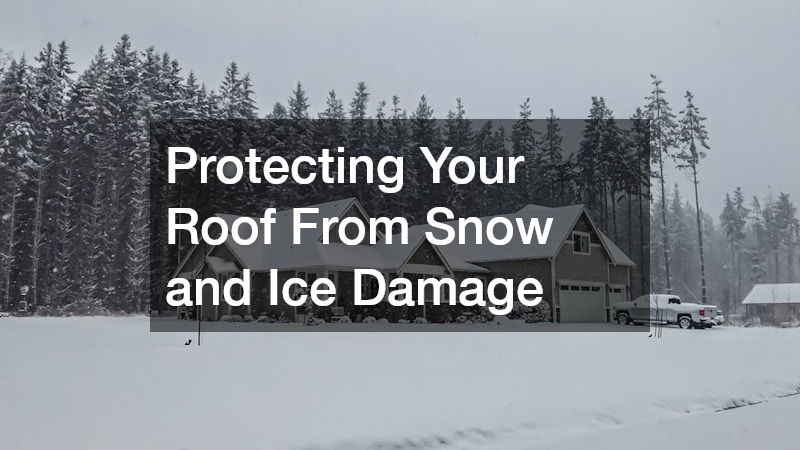
The roof is one of the most critical areas of your home when it comes to winter maintenance. Heavy snow, ice dams, and freezing rain can cause leaks, structural damage, and even collapse in extreme cases. Partnering with a professional roofing service to inspect your roof before winter ensures shingles, gutters, flashing, and attic insulation are in good condition. Identifying weak points early prevents expensive repairs later.
Homeowners can also take proactive steps, such as safely removing excess snow with a roof rake and keeping gutters clear to prevent ice dams. Ensuring proper attic ventilation reduces the risk of condensation and moisture buildup, which can damage both the roof and interior walls. By prioritizing roof maintenance and collaborating with roofing professionals, you minimize the risk of structural damage and maintain a safe, dry, and warm home throughout the winter season.
Ensuring Your Electrical System Handles Winter Demands
Winter often increases reliance on heating systems, space heaters, and other electrical appliances, placing additional strain on older wiring and circuits. Working with licensed electricians to inspect your electrical system before winter helps prevent outages, shorts, and potential fire hazards. Upgrades such as modern breakers, additional outlets, or rewiring outdated systems can improve both safety and efficiency.
Homeowners should also practice safe electrical habits during winter, including avoiding overloading circuits and turning off unused appliances. Testing smoke detectors, carbon monoxide alarms, and backup generators ensures the home is prepared for emergencies. Consulting with electricians before winter weather hits reduces the risk of accidents and ensures your home can handle seasonal electrical demands safely.
Keeping Fuel Supplies Reliable During Cold Months
For homes that rely on propane for heating or cooking, maintaining a consistent fuel supply is critical during winter. Scheduling regular propane delivery in advance of peak cold periods prevents shortages that could leave your home without heat. Trusted providers specializing in propane delivery can offer scheduled service and emergency options, giving homeowners peace of mind throughout the season.
Regularly inspecting propane tanks and lines for leaks or damage is also essential for safety. Homeowners should keep tanks clear of snow and ice buildup, and ensure proper ventilation to prevent dangerous gas accumulation. By planning ahead and coordinating with a propane delivery service, winter heating interruptions are minimized, and home comfort remains consistent.
Maintaining Water Systems for Cold Weather
Homes with private wells face additional challenges during winter. Frozen pipes or malfunctioning pumps can disrupt water supply, making everyday tasks difficult and sometimes causing water damage. Working with specialists in water well pump repair ensures your system is ready for cold temperatures and can handle seasonal demand. Insulating pipes, testing the pump before heavy freezes, and monitoring system performance are key steps in winter preparation.
Preventive maintenance includes checking pressure tanks, inspecting pipes for leaks, and ensuring pumps operate efficiently. Promptly addressing minor issues before they escalate reduces the likelihood of major disruptions. Scheduling regular water well pump repair services with professionals gives homeowners peace of mind that their water system will remain functional, even during extreme cold or extended storms.
Stocking Essential Tools and Materials for Winter Repairs
Having the right hardware supplies on hand can make all the difference when winter issues arise. From shovels and ice melt to replacement plumbing parts, emergency fasteners, and basic repair tools, being prepared allows homeowners to address minor problems before they escalate. Keeping extra supplies on hand also ensures you aren’t caught off guard during sudden storms or unexpected breakdowns. Local stores specializing in hardware supplies carry seasonal essentials that are invaluable during the winter months.
Creating a dedicated winter toolkit ensures quick access to tools and materials when needed. Keeping items organized, labeling containers, and regularly replenishing consumables like batteries or ice melt ensure your home remains ready for sudden problems. Homeowners who invest in the right hardware supplies save time, reduce stress, and protect their home against common winter-related wear and tear.
Additional Tips for Reducing Winter Wear and Tear
Beyond the main systems discussed, there are smaller but impactful steps homeowners can take. Clearing leaves from gutters, trimming overhanging tree branches, checking insulation levels, and ensuring proper ventilation in attics and crawl spaces all contribute to a healthier, more resilient home. Even small actions like sealing cracks around doors or maintaining consistent indoor humidity can prevent damage caused by fluctuating temperatures.
Staying proactive throughout the season is key. Conducting regular inspections, keeping a checklist of maintenance tasks, and addressing minor issues immediately prevents larger, costlier problems down the road. Winter home maintenance is not a one-time effort: it’s a continuous process that pays off by reducing repair costs, energy bills, and stress.
Winter can put your home to the test, but proactive maintenance and preparation go a long way in reducing wear and tear. By addressing key areas such as driveways, roofs, windows, plumbing, and electrical systems, homeowners can prevent small problems from becoming costly emergencies. Every preventative step, from clearing snow with snow plow equipment to maintaining water systems with water well pump repair, helps protect your home’s structure, efficiency, and safety.
Taking winter preparation seriously not only preserves your property but also enhances comfort, safety, and energy efficiency. Staying ahead of potential issues, using the right tools, and collaborating with professionals in roofing, plumbing, and electrical services ensures your home can handle the season’s challenges. Even simple steps like sealing cracks, clearing gutters, or stocking essential hardware supplies contribute significantly to winter resilience.
By investing time and attention in winter home maintenance, homeowners can enjoy the beauty and comfort of the season without the worry of preventable damage. With thoughtful planning, reliable services, and consistent upkeep, your home can remain safe, warm, and well-maintained all winter long, allowing you to focus on the joys of the season rather than the stress of repairs.