1. Use Strategic Visual Barriers
One of the simplest ways to define boundaries between indoor and outdoor spaces is through visual markers. These cues signal a subtle shift in environment without requiring a full structural division. Elements like lighting transitions, flooring changes, or architectural trims can create separation while still feeling cohesive. When styled correctly, these cues make the transition feel natural rather than abrupt.
A practical tool many homeowners love is interior roll shades, which offer a soft visual break between rooms and exterior spaces. You can place them in entryways, sunrooms, or patio doors where some privacy or light control is needed. Using interior roll shades also lets you switch between open and closed zones depending on how you want the space to feel at different times of day.
Landscaping can also help define transitions outdoors. Thoughtfully placed shrubs, walkway edging, or decorative borders help organize the flow between spaces. Even small details like lighting stakes or accent planters create clear but attractive zone divisions. These natural barriers enhance your home’s design without making spaces feel boxed in or overly segmented.
2. Build Purposeful Outdoor Drainage Channels
Water flow impacts how indoor and outdoor areas function, especially around patios, porches, and entryways. When moisture pools near doors, structural materials deteriorate faster and the boundary between spaces becomes messy or unsafe. Creating proper drainage ensures each zone remains tidy and usable year-round. It also helps keep your home’s foundation protected from long-term damage.
One of the best solutions homeowners rely on is french drains, which redirect water away from gathering points. Installing french drains helps maintain a dry threshold between indoor and outdoor areas, making the transition space cleaner and more comfortable. A dry transition also makes it easier to decorate or store exterior furniture without worrying about moisture damage.
Once your drainage is managed, you can enhance transitions even further with stepping stones, gravel borders, or decorative grates. These features keep movement fluid while also signaling a shift between zones. Well-planned drainage supports every other design decision you make, from landscaping to flooring to outdoor seating layouts, keeping the environment pleasant and functional.
3. Redefine Entrances With Professional Upgrades
The main access points between indoor and outdoor zones significantly influence how those areas connect. A wide, open doorway creates a natural flow, while a more compact entrance allows for a controlled separation. Adjusting these features gives you the flexibility to choose how airy or defined your transitions feel. Even subtle changes to materials or framing can modernise the entire area.
When homeowners want a complete refresh, they often work with remodeling contractors who understand how to balance structure, style, and functionality. Skilled remodeling contractors can rework an entryway to better define zones, add weather-resistant transitions, or install design features that elevate both sides of the threshold.
Beyond structural changes, you can personalise the transition with decorative elements like accent lighting, stone thresholds, or contrasting trims. These details help tie together two very different environments while keeping them visually distinct. A well-crafted entrance boosts curb appeal and improves your daily experience moving between indoor and outdoor areas.
4. Give Your Garage Access Area a Fresh Identity
Garage-adjacent spaces often serve as informal connectors between indoors and outdoors. Because they experience heavy traffic, these areas benefit from smart design choices that improve flow and durability. Creating separation here helps your home feel more organised and improves how each zone functions.
Upgrading this space is often most effective with a garage door replacement, which gives the entry a cleaner look and more purposeful separation. Homeowners choose a garage door replacement to improve insulation, security, and visual appeal—all of which enhance the distinction between living zones.
Once the garage entry feels updated, you can enhance the area further with wall hooks, built-in storage, or durable flooring applications. These additions keep clutter under control and help separate outdoor gear from interior belongings. A clean, organized garage transition helps your home feel more cohesive every time you pass through it.
5. Use Textiles to Soften and Separate Spaces
Textures play a major role in identifying zones within an open layout. Indoors, plush or woven materials help create warmth, softness, and a sense of enclosure. Outdoors, materials need to be durable and weather-resistant while still offering comfort. Using the right textiles in the right places immediately helps create a clear identity for each zone.
A practical way to achieve this is by incorporating area rugs that define specific interior seating or dining spots. Choosing area rugs that complement your décor helps visually anchor spaces, signalling the transition from indoor comfort to outdoor activity. They work well near sliding doors, sunrooms, or living areas connected to patios.
Complement your rugs with outdoor textiles like weather-friendly cushions or woven mats that mirror your home’s colour palette. When the textures relate but don’t exactly match, the overall design feels unified while still maintaining a clear separation. This balance keeps both areas stylish and functional without blending them together too much.
6. Install Structural Borders for Privacy and Definition
Outdoor living spaces need structure to feel purposeful. Clear boundaries enhance both privacy and visual appeal. Whether you’re enhancing a backyard oasis or creating defined zones along a side yard, strategic borders improve how each space feels and functions. These borders also improve safety, especially for families with pets or children.
Many homeowners work with local fence contractors to establish durable and attractive property divisions. By hiring local fence contractors, you ensure that outdoor areas feel secure and separate from your indoor zones without sacrificing the overall design. These structures also help organise patios, lawns, and garden areas into distinct, easy-to-navigate sections.
Beyond fencing, hedges, trellises, and pergolas can enhance the separation even further. These features provide shade, privacy, and architectural interest. When paired with outdoor lighting or decor, they add depth and dimension to the landscape. Thoughtful structural borders transform outdoor areas into comfortable extensions of your home.
7. Craft Multi-Use Patio Spaces With Purpose
A well-designed patio can serve multiple roles: dining area, relaxation zone, entertainment hub, or even a workspace. Clear layout planning helps each function feel organized without overwhelming the space. Strategic furniture placement, layered décor, and intentional grouping all contribute to a well-defined yet inviting environment.
Homeowners frequently work with designers who specialize in custom patio designs to create stylish and functional layouts. Choosing custom patio designs helps ensure that each outdoor zone fits your lifestyle, whether you’re hosting gatherings or craving a quiet retreat. These personalized plans maximize space while maintaining a natural separation from your home’s interior.
To enhance the patio even further, consider adding vertical elements like planter walls or slatted screens. These subtle dividers help shape the space without blocking airflow or sunlight. The result is a patio that feels structured, beautiful, and perfectly integrated with the architectural style of your home.
8. Add Elevated Living Areas
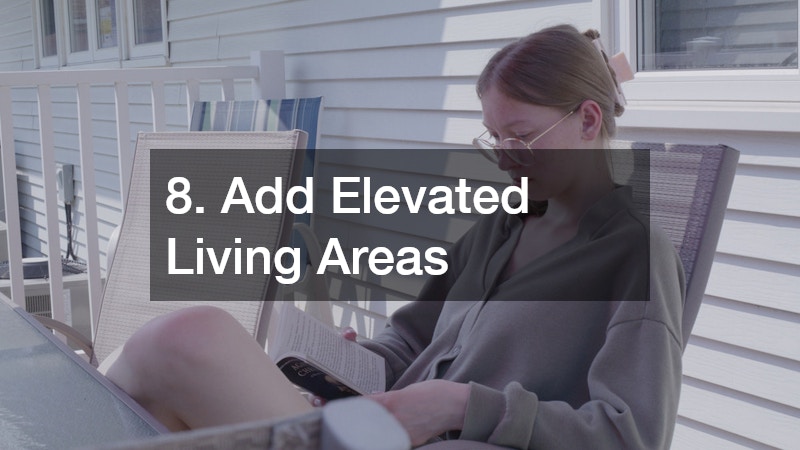
Raised flooring creates instant separation between spaces. Decks, platforms, and tiered layouts bring visual interest while establishing clear boundaries. An elevated surface helps guide movement and defines where indoor activities shift into outdoor ones. Carefully chosen materials can also unify the aesthetic on both sides.
Many homeowners enhance their properties by working with deck builders who know how to create sturdy, attractive elevated zones. Skilled deck builders can construct platforms that blend naturally with your home’s architecture while still establishing clear separation. This elevation adds dimension and supports different styles of outdoor living.
Paired with railings, built-in seating, or planter boxes, elevated areas can serve as beautiful transition points. They invite people outside while maintaining a sense of enclosure. These structured layouts balance openness with definition, resulting in outdoor areas that feel welcoming and well-organised.
9. Incorporate Water Features for Ambience and Division
Water features create sound, movement, and visual interest that naturally define spaces. Even small fountains or narrow reflecting pools can guide foot traffic and mark boundaries between zones. These features also bring a calming element that elevates the mood of both indoor and outdoor environments.
Many homeowners rely on a pool builder when they want a larger, more impactful water feature that anchors the outdoor layout. Working with a pool builder allows you to create a focal point that naturally divides entertaining areas, seating spaces, and open yard sections. These installations enhance property value and create unique transitions.
Smaller water elements like waterfalls or wall-mounted fountains offer similar benefits on a smaller scale. They help section off areas without building physical barriers. With thoughtful placement, water elements bring cohesion while maintaining clear distinctions between zones.
10. Update Windows for Better Transitions
The transparency and framing of windows play a huge role in how indoor and outdoor areas relate. Large panes offer wide, open views, while more structured designs create visual separation. Updating window styles can enhance your home’s flow and improve how the spaces connect.
Homeowners often invest in window replacements to modernize these transitions and increase energy efficiency. Choosing window replacements not only improves comfort but also helps define how much visibility you want between zones. You can choose designs that emphasize openness or privacy depending on how you plan to use the space.
With updated windows, natural light flows more evenly through the home, making both indoor and outdoor areas feel brighter and more inviting. When paired with subtle outdoor lighting and coordinated colour palettes, the entire transition becomes smoother and more visually appealing.
11. Use Furniture Arrangements to Guide Movement
Furniture placement impacts how people naturally move between spaces. Grouping pieces into distinct clusters helps create defined seating areas, dining spots, and walkways. Indoors, this makes open-concept layouts easier to navigate by giving each area a clear purpose, even without walls. Outdoors, it helps shape the flow around patios, decks, and garden spaces so the layout feels intentional rather than random. When each grouping is thoughtfully arranged, both environments become more intuitive and enjoyable to use.
Positioning furniture thoughtfully can subtly direct attention and movement without relying on heavy structural barriers. Use side tables, benches, or planters to outline paths and create a natural sense of direction. Angle chairs or sofas so they invite people toward conversation areas or scenic views. Shape pathways that guide toward outdoor focal points—like a fire pit, garden bed, or lounge zone—without making the space feel forced or overly structured. These gentle cues help separate indoor and outdoor environments while maintaining continuity and ease of movement.
Mixing complementary but distinct styles further enhances zoning. For instance, soft indoor upholstery paired with more rugged outdoor materials clearly signals the functional difference between environments. This contrast doesn’t break the harmony of the home; instead, it reinforces the purpose of each zone. Layering textures, colors, and heights creates visual rhythm while keeping the spaces cohesive. The right balance gives both areas their own identity while preventing the design from feeling disconnected, ultimately improving the comfort and flow of your entire home.
Separating indoor and outdoor living zones doesn’t require closing spaces off or limiting how you use them. With the right design strategies, you can create areas that feel intentional, comfortable, and visually connected while still maintaining distinct purposes. Thoughtful upgrades, smart layout decisions, and a blend of practical and decorative elements all work together to make your home flow more naturally. Whether you’re improving privacy, boosting functionality, or enhancing style, these ideas help you build a home that supports relaxation and everyday convenience. By approaching each zone with care, you create a welcoming environment that feels balanced, cohesive, and perfectly suited to how you live.