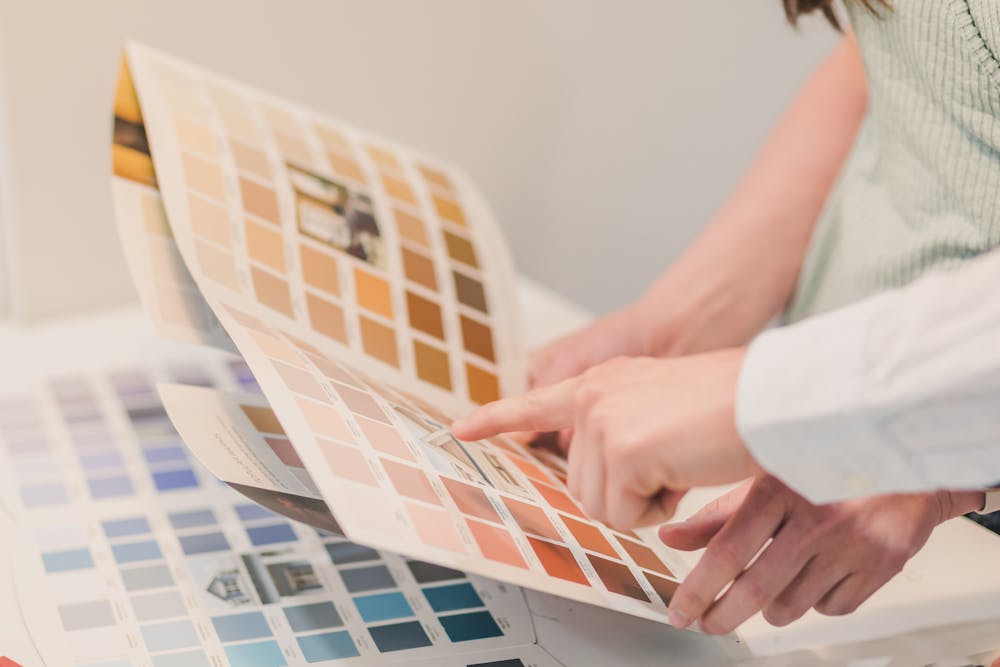
- Light neutral colors such as white, beige, and soft gray help reflect natural light, making small rooms appear brighter and more spacious.
- Soft pastel shades add personality while maintaining an airy feel that prevents small spaces from looking crowded.
- Monochromatic color schemes create visual continuity, reducing harsh contrasts that can make a room feel smaller.
- Cool tones like blue, green, and gray naturally recede visually, helping walls appear farther apart and expanding the sense of space.
- Accent colors should be used sparingly, preferably through decor or a single feature wall, to avoid overwhelming a compact room.
- Consistent color flow between rooms enhances openness and creates a more cohesive and spacious home environment.
Choosing the right colors can dramatically change how a space feels, especially in smaller homes. Color influences perception, lighting, and visual depth, which means it can make rooms appear larger and more open when used correctly. For homeowners dealing with limited square footage, the right palette becomes one of the most effective design tools available.
A thoughtful color scheme can brighten dark corners, create visual flow, and eliminate the cramped feeling that often comes with compact spaces. Instead of relying solely on structural renovations, simple paint choices and coordinated tones can make a powerful impact.
In this guide, we explore the best color schemes that help small rooms feel more spacious, stylish, and comfortable while maintaining a cohesive design throughout the home.
Why Color Choice Matters in Small Home Interior Design
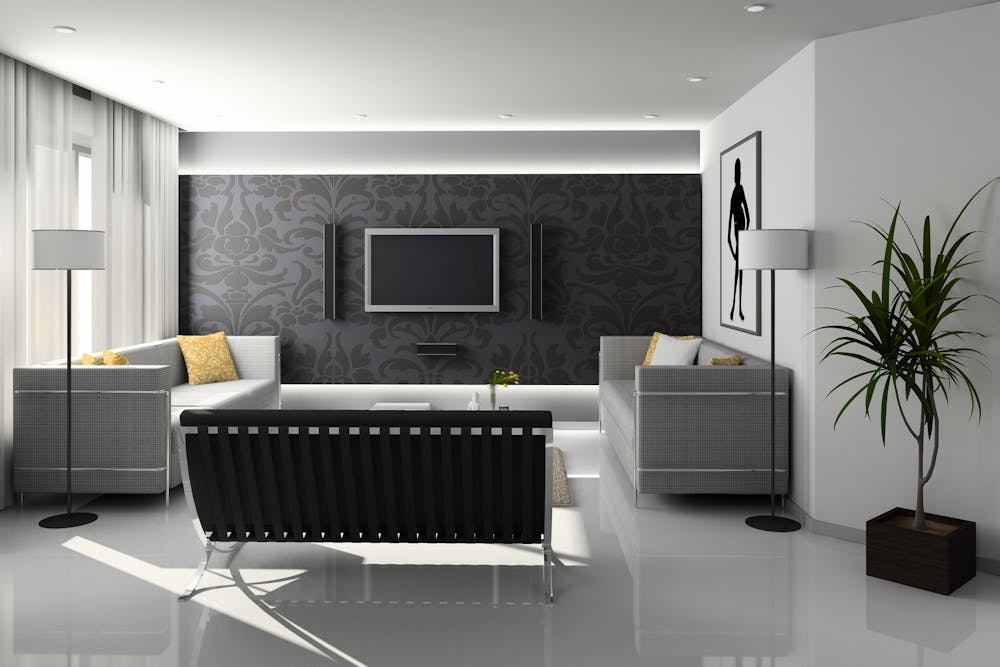
Color plays a powerful role in shaping how we perceive space. In smaller homes, the wrong palette can make rooms feel tight and closed off, while the right one can create openness and visual depth. Light reflection, contrast levels, and color continuity all influence whether a room feels airy or cramped.
Interior designers often rely on carefully selected palettes to stretch the visual boundaries of a space. When colors are used strategically, they can blur edges, reflect natural light, and create seamless transitions between rooms. These techniques are particularly valuable in apartments, condos, or compact houses where every inch matters.
Using thoughtful small home interior design ideas—especially those centered around color—can transform even the smallest areas into welcoming and functional spaces.
Light Neutral Colors: The Classic Space-Enhancing Choice
Light neutral tones are one of the most popular and reliable options for making rooms feel larger. Shades like soft white, beige, cream, and light gray reflect natural light rather than absorbing it, helping walls visually recede and expand the room’s appearance.
Another advantage of neutral palettes is their versatility. They allow homeowners to easily incorporate furniture, artwork, and decorative accents without overwhelming the space. Because these colors are subtle, they create a calm and balanced environment that works well in living rooms, bedrooms, and kitchens.
Common neutral color options include:
- Warm white or ivory
- Soft beige or sand
- Pale gray or greige
- Light taupe
These shades provide a clean foundation that enhances brightness and makes compact rooms feel significantly more open.
Soft Pastels: Can Gentle Colors Expand a Room?
Pastel shades are another excellent option for small interiors. Unlike darker hues, pastel tones maintain a light and airy feel while still adding personality and visual interest to the room. They introduce color without creating heaviness or visual clutter.
Soft blues, mint greens, blush pinks, and pale lavender shades work particularly well in bedrooms and living spaces. These colors mimic natural elements like sky and water, which psychologically evoke openness and calmness. When paired with white trim or light wood finishes, pastels can create a bright and welcoming atmosphere.
Some popular pastel combinations include:
- Pale blue walls with white trim
- Mint green with light wood furniture
- Soft blush paired with neutral decor
- Lavender accents with light gray walls
These palettes provide color while maintaining the illusion of spaciousness.
Monochromatic Palettes for a Seamless Look
A monochromatic color palette focuses on using variations of a single color throughout a room. By relying on lighter and darker shades of the same hue, this approach minimizes visual interruptions and creates a smooth, cohesive appearance that can help a small space feel more expansive.
For instance, layering different tones of gray or beige on the walls, furniture, and decorative accents keeps the design consistent while avoiding strong contrasts that can break up the space visually. Because the colors blend harmoniously, the eye naturally travels across the room without stopping, which helps produce a greater sense of depth and openness.
To make monochromatic palettes work effectively, consider these tips:
- Combine three or more shades of the same color
- Add subtle texture through fabrics and materials
- Use slightly darker tones for accents
- Keep flooring and wall colors in the same family
This strategy provides visual harmony and sophistication while enhancing spatial perception.
Cool Colors That Visually Push Walls Back
Cool-toned colors naturally create the illusion of distance, making them perfect for small spaces. Shades of blue, green, and soft gray tend to recede visually, which can make walls appear farther apart than they actually are.
Because cool tones feel calming and airy, they work well in areas where relaxation and openness are desired. Bedrooms, home offices, and living areas benefit particularly from these hues. When combined with natural lighting and minimal decor, cool colors can dramatically enhance a room’s sense of space.
Some effective cool color choices include:
- Sky blue
- Sage green
- Light aqua
- Cool gray
These colors mimic nature and help rooms feel refreshing and expansive.
Should You Use Accent Colors in a Small Home Interior?
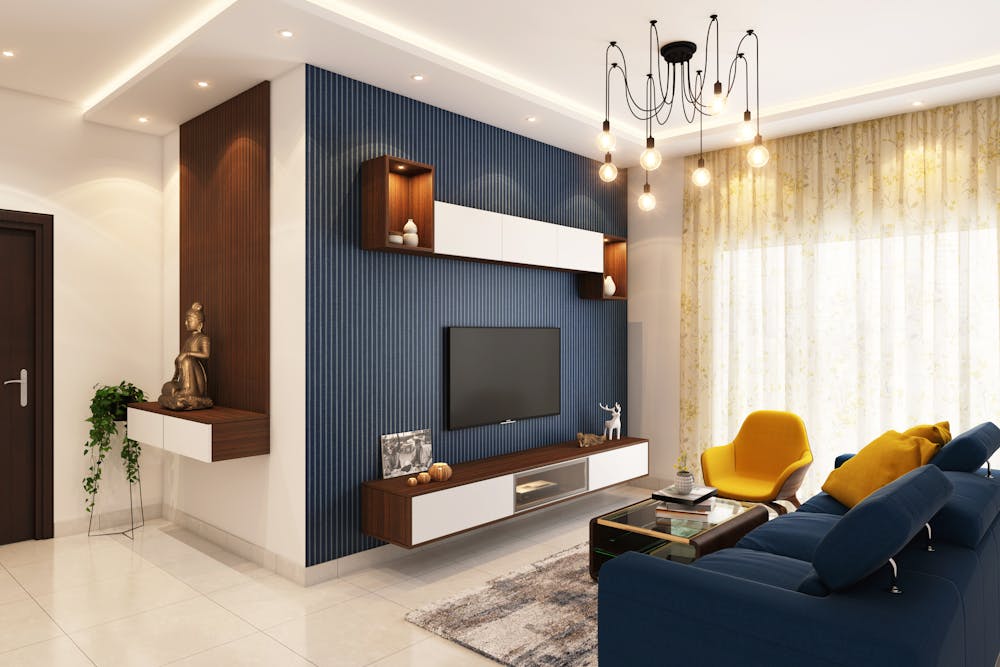
Accent colors can add character to a room, but they must be used carefully in small spaces. Too many bold colors can overwhelm a room and make it feel cluttered. However, strategic accents can create visual interest without shrinking the space.
Instead of painting entire walls in dark shades, consider adding accents through decor, furniture, or small painted areas. This approach maintains brightness while introducing depth and personality.
Smart accent ideas include:
- A single accent wall in a soft tone
- Colorful throw pillows or rugs
- Artwork that complements the main palette
- Decorative shelves with subtle color highlights
These touches add style while preserving the airy atmosphere that small rooms need.
Final Thoughts
Color selection is one of the simplest yet most effective ways to enhance the look and feel of a compact living space. By choosing palettes that reflect light, reduce contrast, and create visual continuity, homeowners can transform even the smallest rooms into inviting and comfortable environments.
Light neutrals, soft pastels, cool tones, and monochromatic schemes all contribute to the illusion of openness. When combined with thoughtful decor and furniture placement, these color strategies can make a dramatic difference in how a home feels.
With the right palette, any small home can feel brighter, more spacious, and beautifully designed.