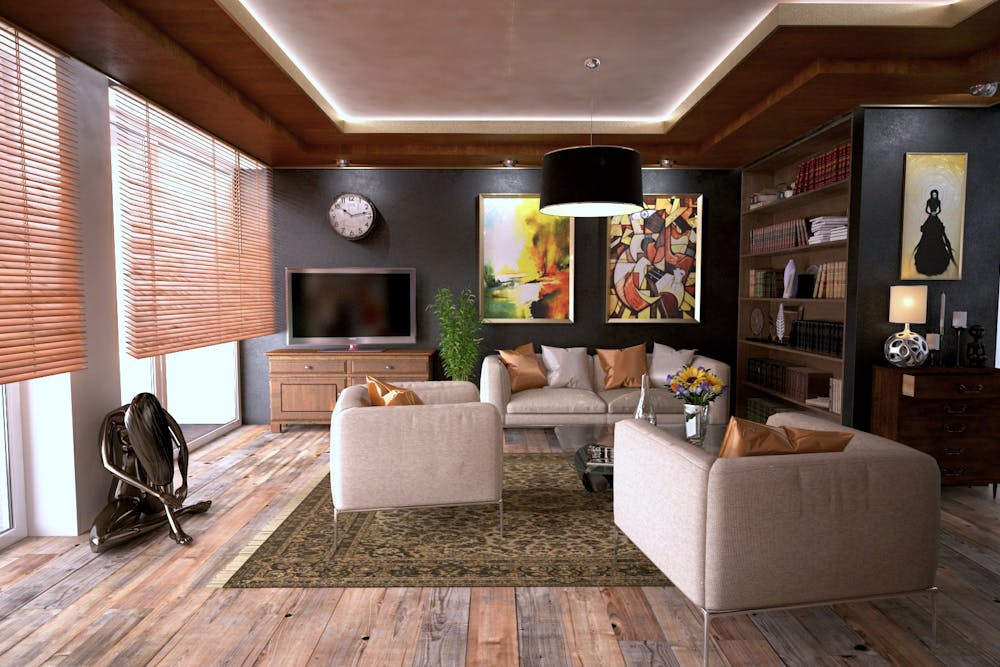
- Light colors create a spacious feel. Using soft neutrals and light shades helps reflect light and makes walls visually recede, giving small rooms a brighter and more open appearance.
- Natural light dramatically improves small spaces. Keeping windows unobstructed and using sheer curtains allows sunlight to flow through the room, making it feel larger and more inviting.
- Multi-functional furniture maximizes limited space. Pieces like storage beds, foldable tables, and sofa beds reduce clutter while increasing functionality in compact homes.
- Mirrors and reflective materials expand visual depth. Strategic mirror placement and reflective surfaces bounce light around the room, creating the illusion of a larger interior.
- Vertical storage helps keep floors clear. Wall-mounted shelves, tall cabinets, and hanging storage solutions maximize unused wall space and make rooms feel less crowded.
- Decluttering and simplified décor improve openness. Keeping only essential furniture and minimizing decorative items prevents small rooms from feeling cramped.
Living in a small home doesn’t mean sacrificing comfort, style, or functionality. In fact, many homeowners are discovering that limited space can inspire creative interior design solutions that maximize every square foot. With the right layout strategies, color choices, and furniture selections, even the most compact homes can feel open, inviting, and visually spacious.
Small spaces often feel cramped because of poor organization, bulky furniture, or dark color schemes that visually shrink a room. However, simple design adjustments can transform a tight area into a bright and airy environment. The key lies in using space efficiently while maintaining a cohesive aesthetic that enhances the room’s openness.
In this guide, you’ll discover ten practical interior design ideas that can make a small home appear larger and more comfortable. These strategies focus on maximizing light, improving functionality, and using design techniques that visually expand your living space.
1. Use Light Colors to Open Up the Room
Color plays a powerful role in how large or small a space appears. Dark shades tend to absorb light and create a heavier visual atmosphere, which can make a room feel smaller than it actually is. Lighter tones reflect natural and artificial light, helping walls visually recede and creating a sense of openness. This simple design principle is widely used by interior designers when working with compact homes.
Choosing the right color palette doesn’t mean sticking to plain white walls. Soft neutral shades and subtle pastels can add warmth while still maintaining a bright and airy feel. The goal is to create visual continuity throughout the room while minimizing harsh contrasts that break up the space.
Best Light Colors for Small Spaces
Consider using the following color choices for a more spacious look:
- Soft whites and warm creams
- Light gray and pale beige
- Muted blues and sage greens
- Dusty pastel tones
Using a consistent palette throughout adjoining rooms can also help make a small home feel more expansive.
Tips for Using Light Colors Effectively
- Paint walls, trim, and ceilings in similar shades to reduce visual breaks.
- Choose furniture upholstery that complements the wall color.
- Use light-colored flooring or area rugs to enhance brightness.
2. Maximize Natural Light
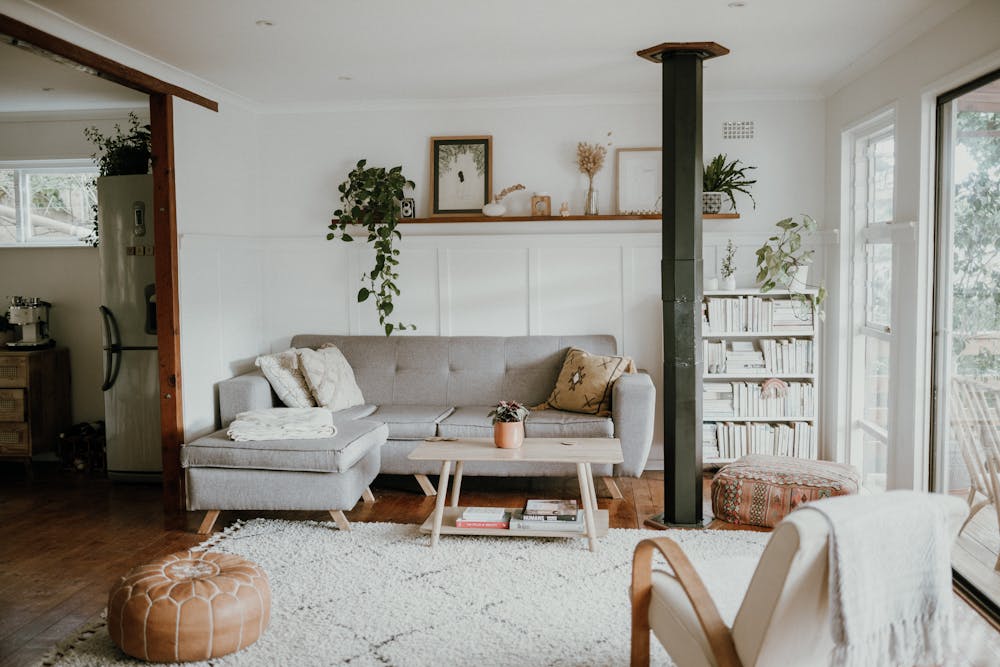
Natural light is one of the most effective ways to make a small room feel larger. When sunlight enters a space freely, it brightens surfaces and creates depth, which makes rooms appear more open and inviting. Dark or poorly lit interiors often feel confined and uncomfortable, even if the room itself is not particularly small.
To maximize natural light, focus on removing visual barriers that block sunlight from entering the room. Heavy curtains, bulky furniture near windows, and dark window treatments can prevent light from spreading throughout the space.
Ways to Increase Natural Light
Simple changes can significantly improve how light travels in your home:
- Replace heavy curtains with sheer or lightweight fabrics.
- Keep window areas clear of large furniture.
- Install larger mirrors to reflect sunlight.
- Use glass doors or partitions when possible.
These adjustments can instantly transform a dim space into a brighter and more open environment.
3. Choose Multi-Functional Furniture
In small homes, every piece of furniture should serve a purpose. Multi-functional furniture helps maximize limited space by combining several uses into a single item. This approach reduces clutter while improving the overall functionality of a room.
Instead of filling a space with separate pieces for seating, storage, and sleeping, multi-purpose furniture allows homeowners to maintain comfort without overcrowding the room.
Examples of Multi-Functional Furniture
Here are practical furniture choices designed for small homes:
- Sofa beds for living rooms that double as guest rooms
- Storage ottomans with hidden compartments
- Foldable dining tables or wall-mounted desks
- Beds with built-in storage drawers
These pieces allow homeowners to enjoy convenience without sacrificing valuable floor space.
Why Multi-Functional Furniture Works
Furniture with multiple uses helps maintain a cleaner layout. When fewer items occupy a room, the space feels more open and organized.
4. Use Mirrors to Create the Illusion of Space
Mirrors are one of the most widely used design tricks for making small spaces appear larger. When positioned strategically, mirrors reflect both light and surrounding objects, which visually doubles the perceived size of a room.
This technique works especially well in narrow spaces, small living rooms, and compact hallways. Mirrors create depth and brightness, making the room feel less confined.
Strategic Mirror Placement
To maximize the effect, consider placing mirrors in the following locations:
- Across from the windows to reflect natural light
- Behind furniture such as sofas or consoles
- In narrow hallways to create depth
- As part of a gallery wall for decorative impact
Large mirrors can also act as statement pieces while improving spatial perception.
5. Embrace Vertical Space for Storage
When floor space is limited, the best place to expand storage is upward. Vertical storage solutions help keep clutter off the floor while maximizing unused wall areas. This approach creates a more organized environment while preserving open walking space.
Tall shelving units, wall-mounted cabinets, and floating shelves can significantly improve storage capacity in small homes.
Smart Vertical Storage Solutions
Consider these practical ideas:
- Floor-to-ceiling bookshelves
- Wall-mounted kitchen cabinets
- Hanging storage racks
- Floating shelves above desks or beds
These solutions help maintain organization without overwhelming the room with bulky furniture.
Benefits of Vertical Design
Using vertical storage draws the eye upward, which visually elongates the room. This creates the illusion of higher ceilings and a more spacious interior.
6. Keep Furniture Proportional to the Room
Oversized furniture can easily overwhelm a small room, making it feel cramped and difficult to navigate. Choosing furniture that matches the scale of the space helps maintain balance and visual harmony.
The goal is to create a layout that allows movement while still providing comfort and functionality.
How to Choose the Right Furniture Size
Follow these guidelines when selecting furniture for small spaces:
- Choose slim-profile sofas instead of bulky sectionals.
- Use armless chairs to reduce visual weight.
- Select compact coffee tables or nesting tables.
- Opt for furniture with exposed legs to create openness.
Why Proportion Matters
When furniture fits the room properly, the space appears more organized and breathable. Proper proportions ensure that no single piece dominates the layout.
7. Declutter and Simplify Your Decor
Clutter is one of the biggest reasons small homes feel crowded. Too many decorative items, furniture pieces, or accessories can overwhelm a room and disrupt visual flow.
A simplified approach to decorating allows each element in the space to stand out while maintaining a clean and spacious feel.
Decluttering Strategies for Small Homes
To reduce visual clutter, try these methods:
- Keep only essential furniture in each room.
- Use hidden storage solutions.
- Limit decorative accessories.
- Organize frequently used items.
Benefits of Minimal Decor
Minimalist design encourages intentional living. With fewer items in the room, the space becomes easier to maintain and visually more open.
8. Create an Open Layout Whenever Possible
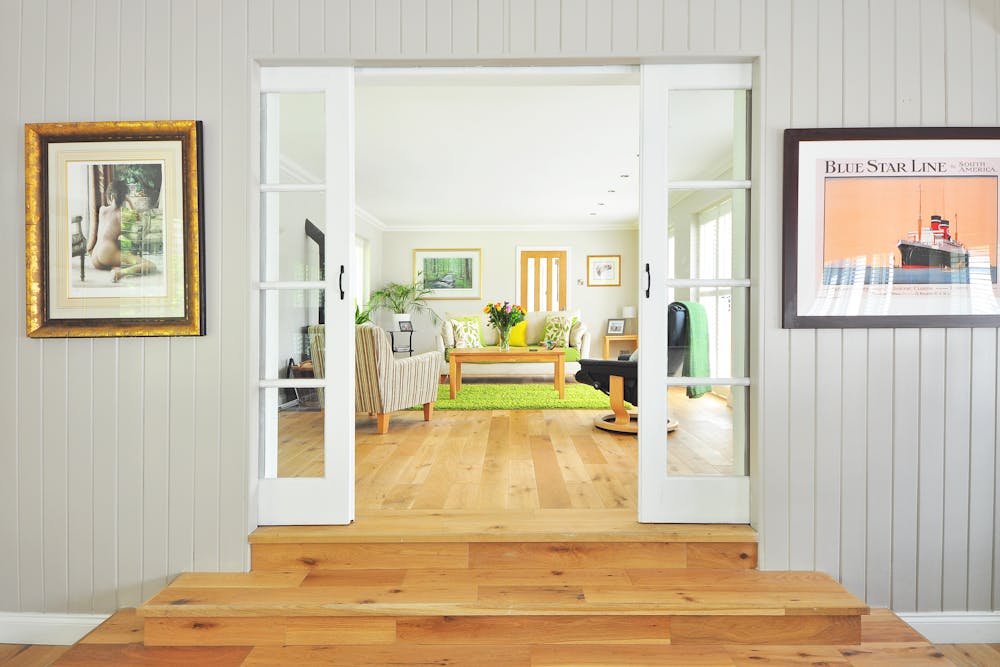
Walls and partitions can divide small homes into cramped sections. Whenever possible, removing unnecessary barriers can create a more open and continuous living space.
Open layouts allow natural light to flow freely while improving movement throughout the home.
How to Achieve an Open Layout
Consider these adjustments if structural changes are possible:
- Combine kitchen and dining areas.
- Use open shelving instead of closed cabinets.
- Replace solid walls with glass partitions.
- Remove unused room dividers.
Even small changes in layout can significantly improve the feeling of openness in compact homes.
9. Small Home Interior Design Ideas That Use Smart Lighting
Lighting plays a major role in shaping the atmosphere of a room. Poor lighting can make even a moderately sized room feel smaller and more enclosed. A layered lighting approach can brighten the space while highlighting key design elements.
Combining multiple light sources allows homeowners to control brightness and mood while enhancing spatial depth.
Types of Lighting to Use
For best results, incorporate several lighting layers:
- Ambient lighting for overall brightness
- Task lighting for reading or work areas
- Accent lighting to highlight décor
Lighting Tips for Small Homes
- Use wall sconces instead of floor lamps.
- Install recessed ceiling lights to save space.
- Place lights near mirrors to increase reflection.
These strategies help distribute light evenly and create a more expansive feel.
10. Use Transparent and Reflective Materials
Transparent materials such as glass and acrylic can make furniture appear visually lighter. Because these materials allow light to pass through them, they reduce visual clutter and create a more open environment.
Reflective surfaces can also bounce light around the room, enhancing brightness and depth.
Materials That Make Spaces Feel Larger
Consider incorporating the following elements:
- Glass coffee tables
- Acrylic chairs
- Reflective metal finishes
- Glossy cabinet surfaces
Why Transparency Works
When furniture appears visually lighter, it reduces the sense of crowding in the room. Transparent materials create openness without sacrificing functionality.
Final Thoughts
Designing a small home requires creativity, strategic planning, and thoughtful choices. While limited square footage may seem restrictive at first, the right design techniques can transform compact interiors into comfortable and visually spacious living environments.
By using light colors, maximizing natural light, selecting multi-functional furniture, and incorporating vertical storage solutions, homeowners can dramatically improve the functionality of their space. Thoughtful lighting, proportional furniture, and clutter reduction also play important roles in maintaining an open and inviting atmosphere.
Small homes can be just as stylish and comfortable as larger ones when design decisions focus on efficiency and balance. With these interior design ideas, even the most compact spaces can feel bright, organized, and surprisingly spacious.